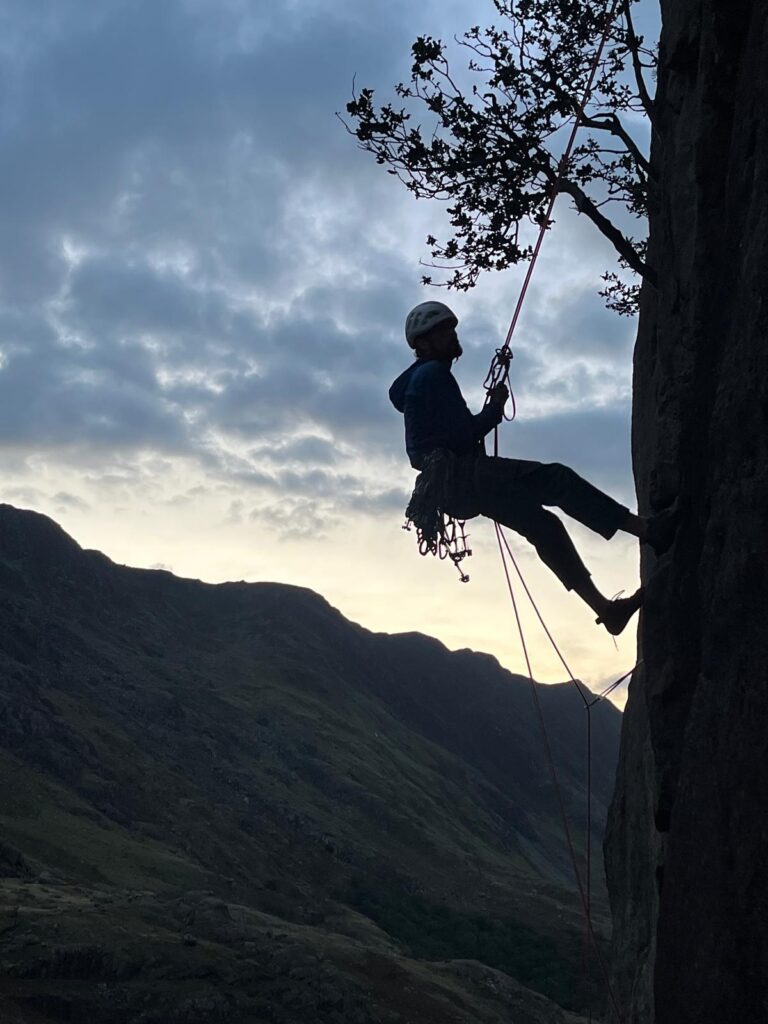
Once again, the ‘Risk’ sessions at Kendal Mountain Festival (KMF) got me thinking about the mental side of the sports that I love. Climbing and orienteering may look like physically demanding pastimes, but sound decision-making is absolutely fundamental to both. In particular, in trad climbing, making the wrong decision can have pretty serious consequences, but it is not always the decisions on the rock that are the most crucial…

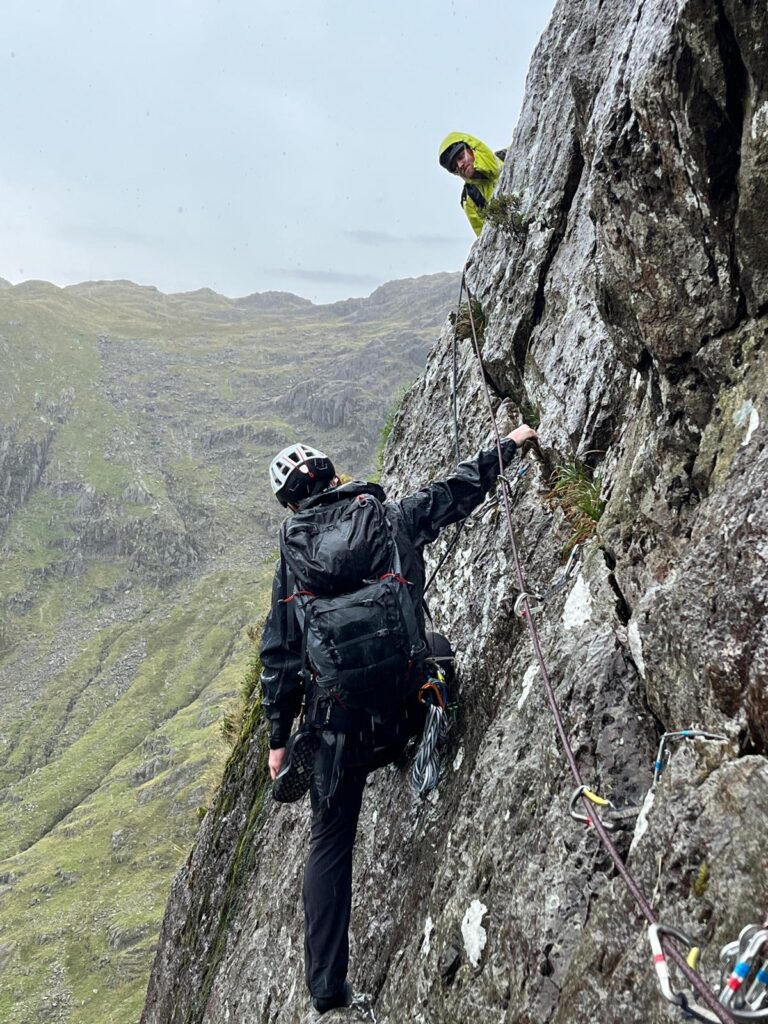
At this year’s KMF, Friday’s climbing talks were full of tall tales about dangerous routes and narrow escapes – epitomising the dark humour, but close camaraderie, that has always surrounded British trad climbing. I love these stories and am comfortable playing the game. Over time, I have built up a reasonable hand of cards and can hold my own in the story-telling, but I am also comfortable acknowledging when I am out of my league.
Saturday’s climbing talks switched things up to the international stage, yet the actual content levelled the field in a way that made the topics relatable to everyone in the room. Yes, the grades of the routes being discussed were still stratospheric, but themes of breaking barriers, managing risk, and discovering where you sit along the sliding scale of playing to your strengths versus getting out of your comfort zone, will be familiar to everyone who plays in the outdoors.
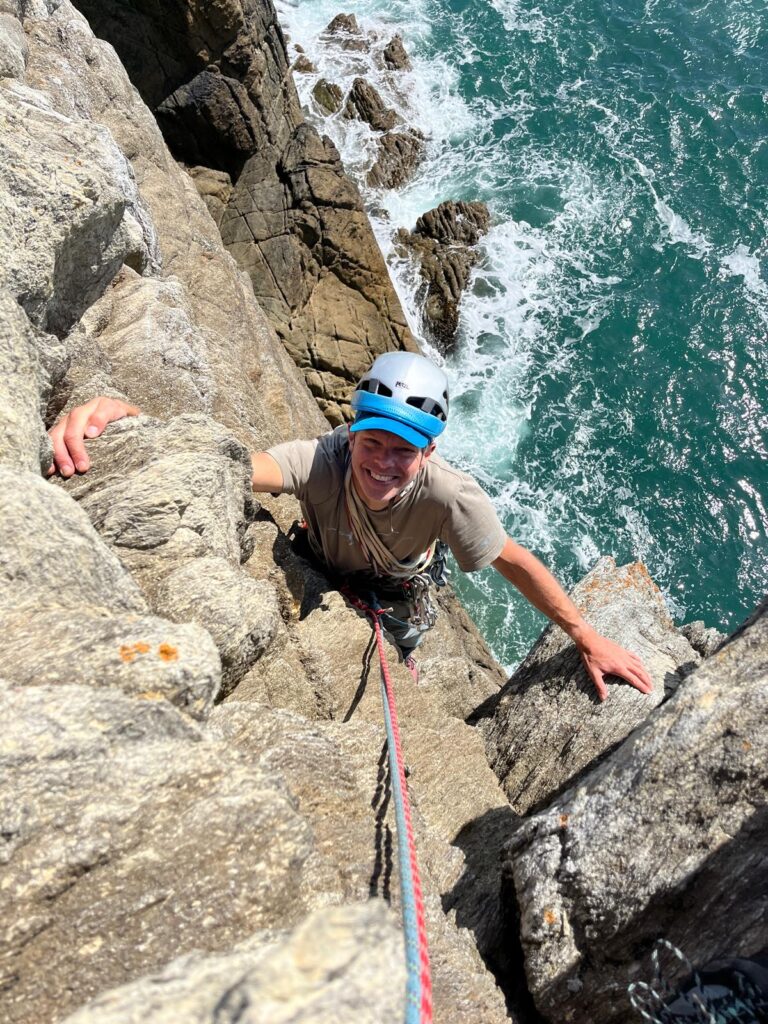
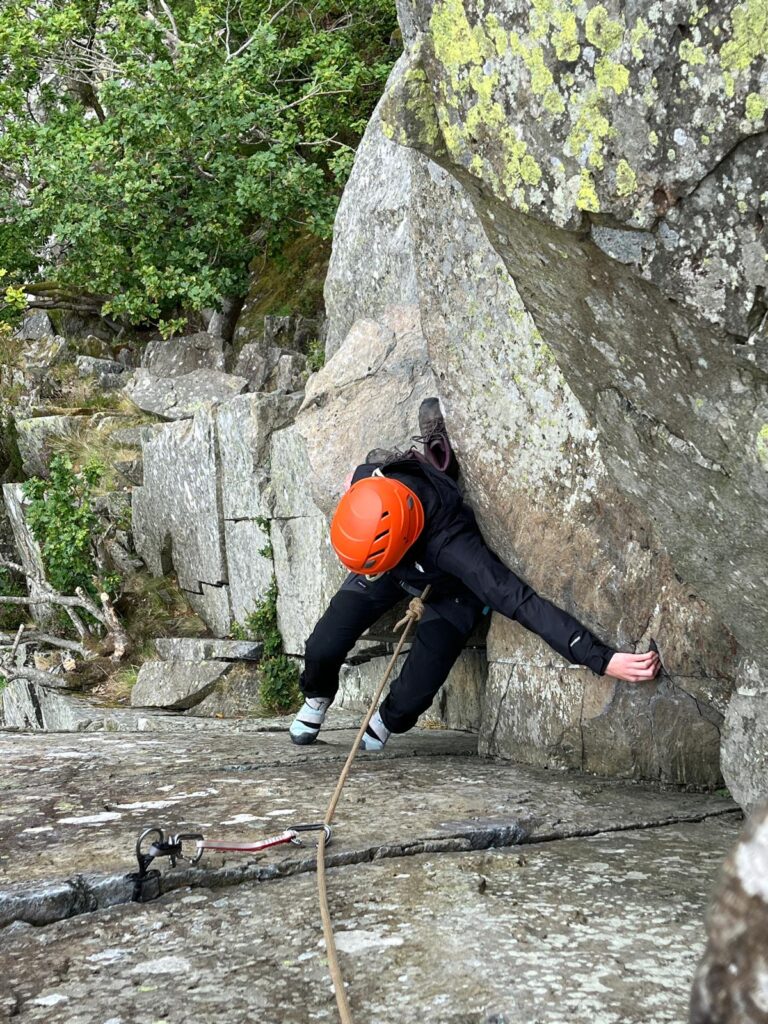
These days, photos of people climbing hard routes flash by on Instagram, looking exciting, thrilling, and adrenaline-filled… This came up in Saturday’s ‘Risk’ panel discussion (comparing trad climbing and downhill mountain biking!) – if there is adrenaline pumping while you are trad climbing then something has gone wrong! What you don’t see on Instagram is the mastery of control, the hours of preparation that minimise the risk. The speakers in Saturday morning’s ‘Climb’ session gave eloquent descriptions of deep self-awareness, and unwavering personal responsibility when getting on hard routes with high consequences. Not easy in the quick-hit world of sponsorship, where your currency is doing something hard that no-one else has done.
But how do you build up the experience to make the right decisions? This comes from years of learning from (hopefully, inconsequential) mistakes and listening to your mind so you know when it is safe to get on a route and when to walk away.
When I am deciding what route to get on, I listen to people I trust, people who know me. If I get a route recommendation from someone who doesn’t know me, then I do my homework carefully – they don’t know how my brain works, and they don’t know how I climb. It should always be my decision to get on a route.
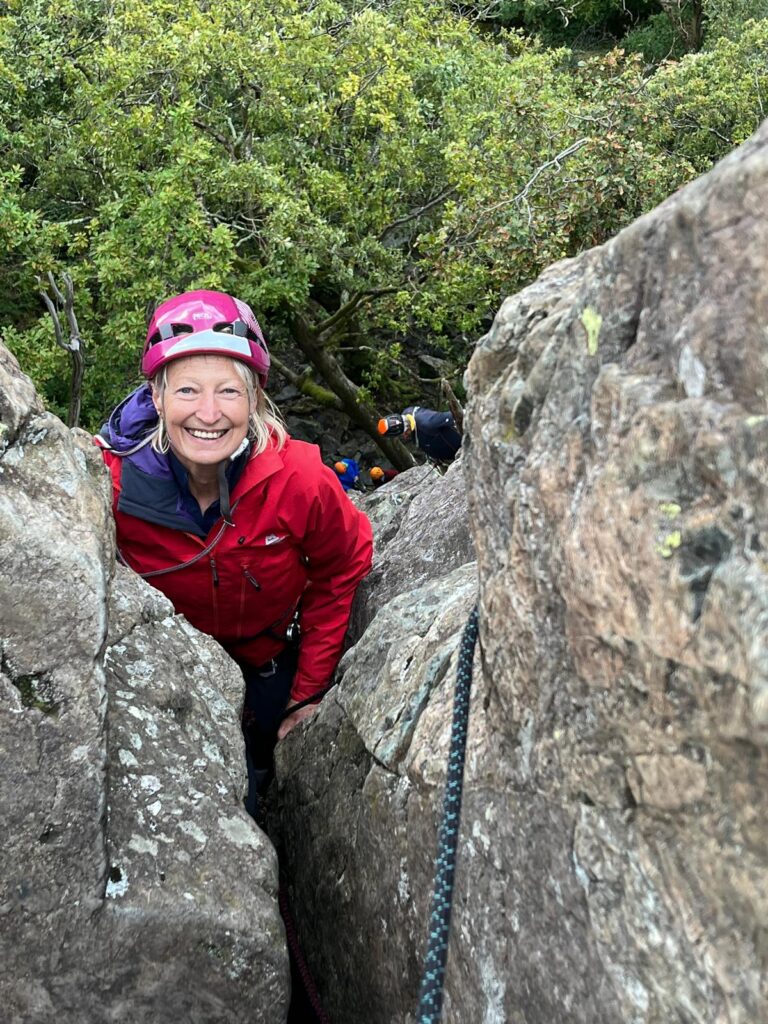
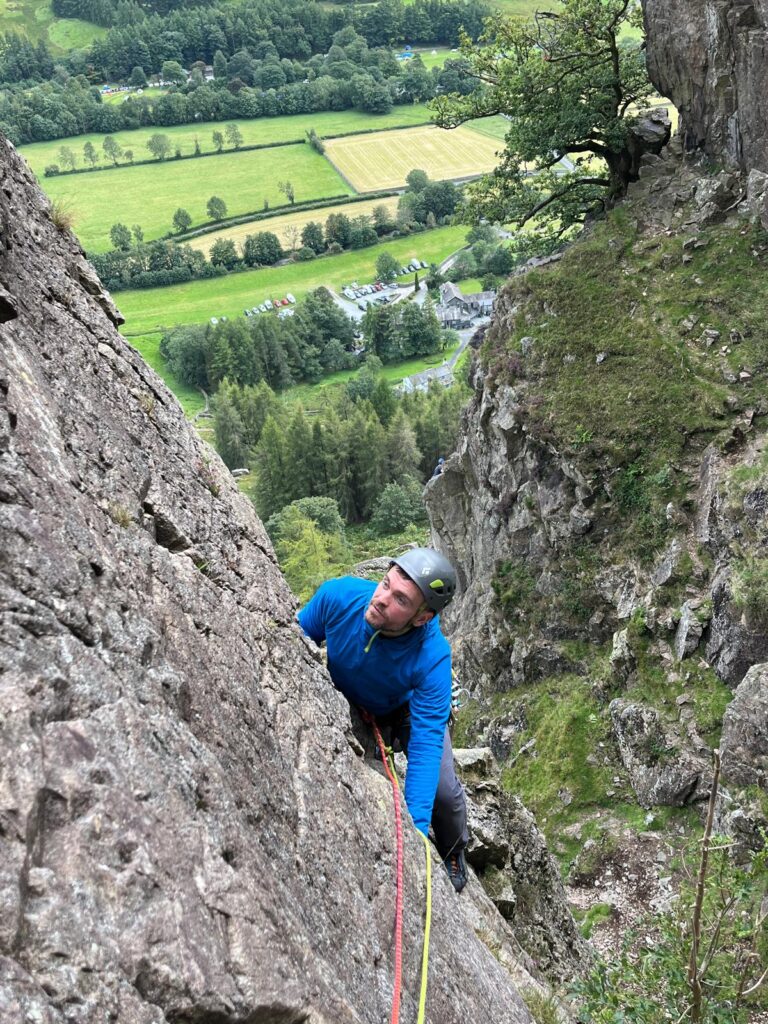
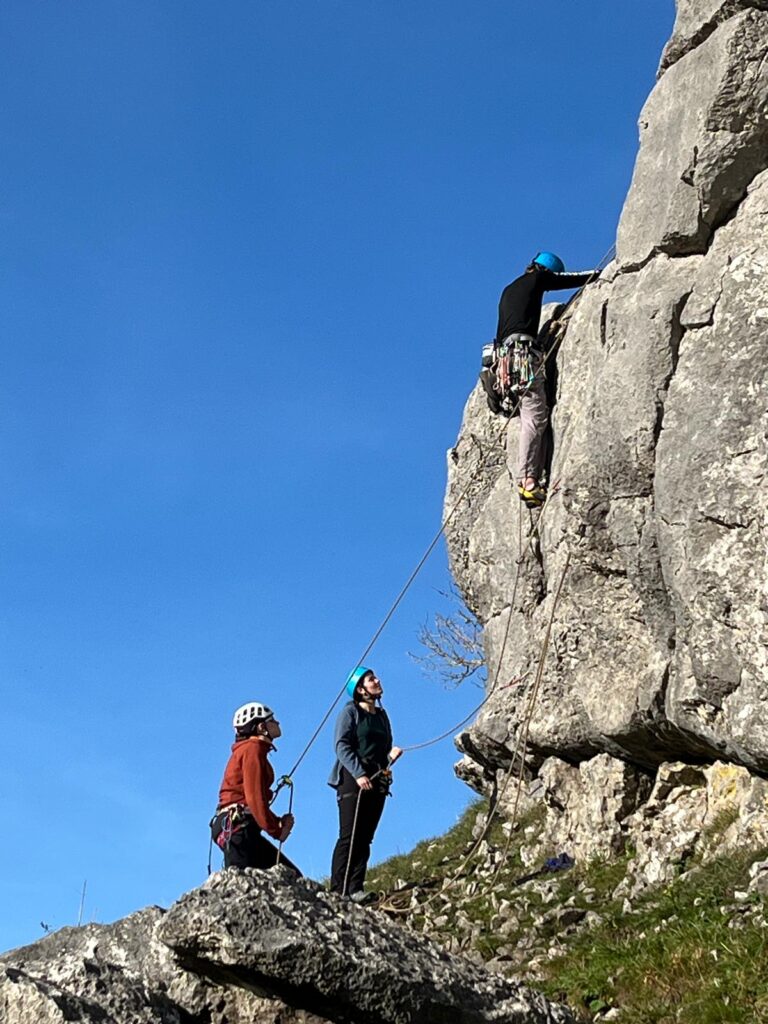
What about when I am working? My job is to support people as they build the physical and technical skills needed to become independent trad climbers, but how do I go about teaching decision-making? How do I pass on my years of experience that will help you stay safe when I am not there to suggest routes, or point out holds and gear placements?
The discussion in the ‘Risk’ session explored how you introduce children to the concept of risk. It is the same with clients! I am in loco parentis – avoiding the routes with the poor gear and awkward cruxes, instead, guiding you towards things that will build your confidence. It is only when you head out on your own that you realise how many decisions need to be made before you even leave the ground!
Which crag? Which route? Which gear? Not to mention: where does the route actually go, where is the belay, and how do you get down?!
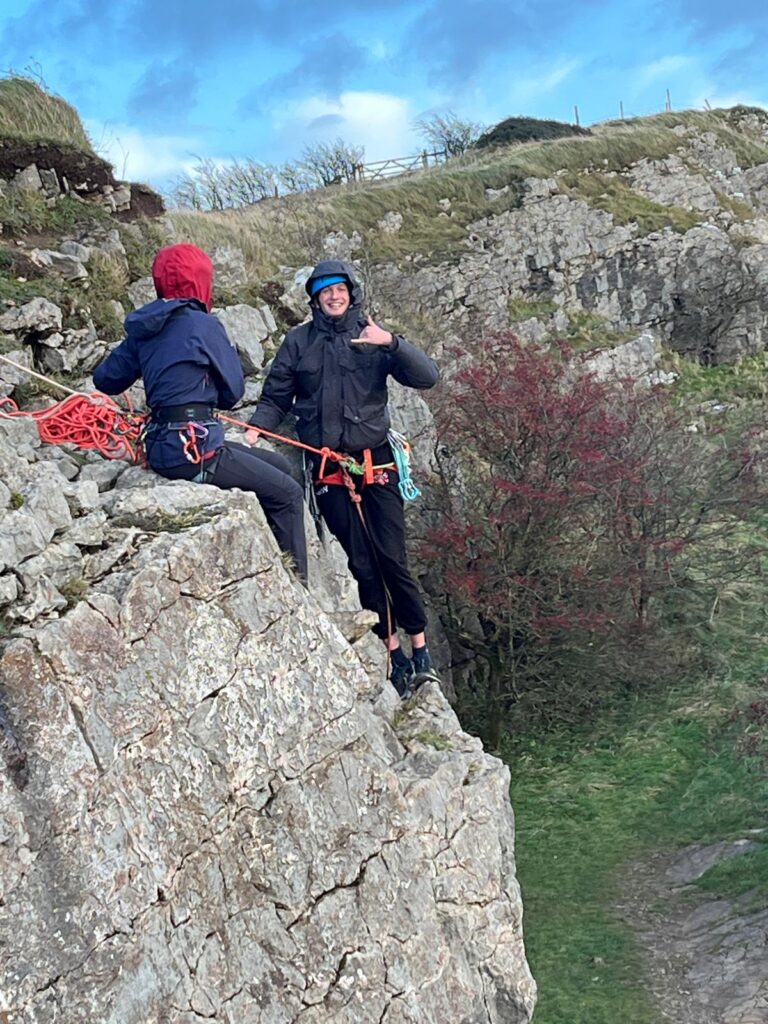
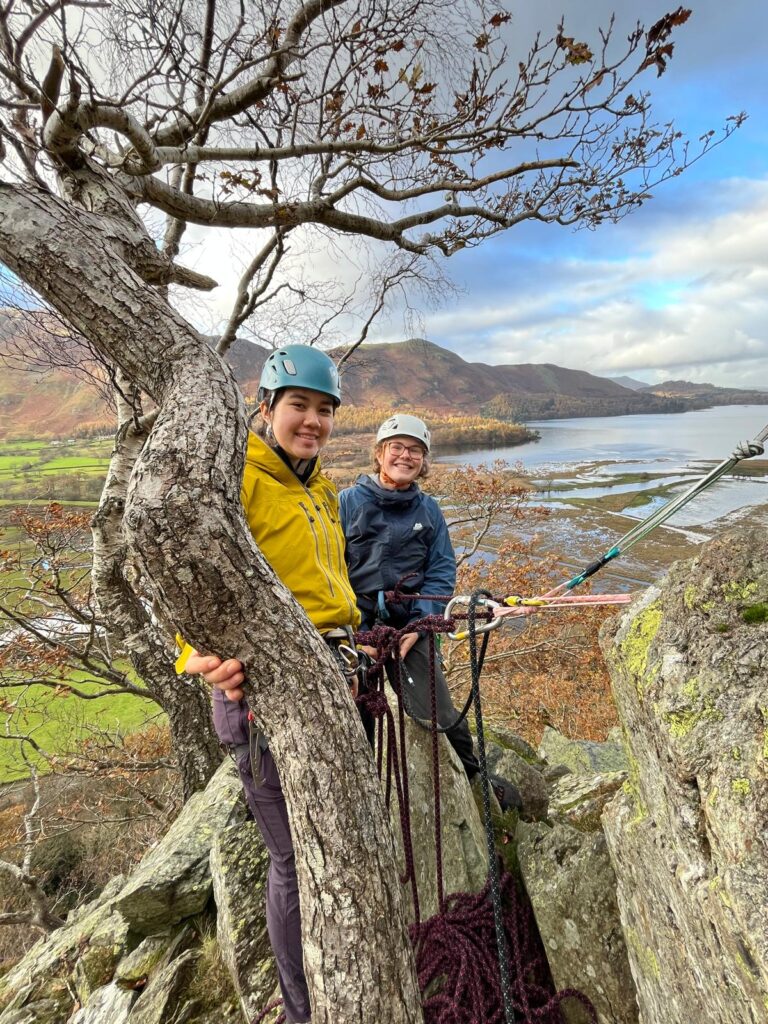
It is a big responsibility to play a role in someone else’s decision-making – to suggest a route, or a style of ascent, and provide the right information and head space so that they can decide whether it is the right challenge for them. Part of my role is to identify challenges that will build your confidence – we all climb better when we feel confident – but also to provide honest feedback; to make you aware of the consequences of what you are taking on, without scaring you too much!
The bottom line: I recommend packing your rucksack with a good dose of self-awareness, and a flexible definition of what success looks like, whenever you head out trad climbing! This should ensure you make good decisions when it matters most – before you leave the ground.
[orienteers – you can substitute ‘before you leave the ground’ with ‘before you leave the control’ 😉]