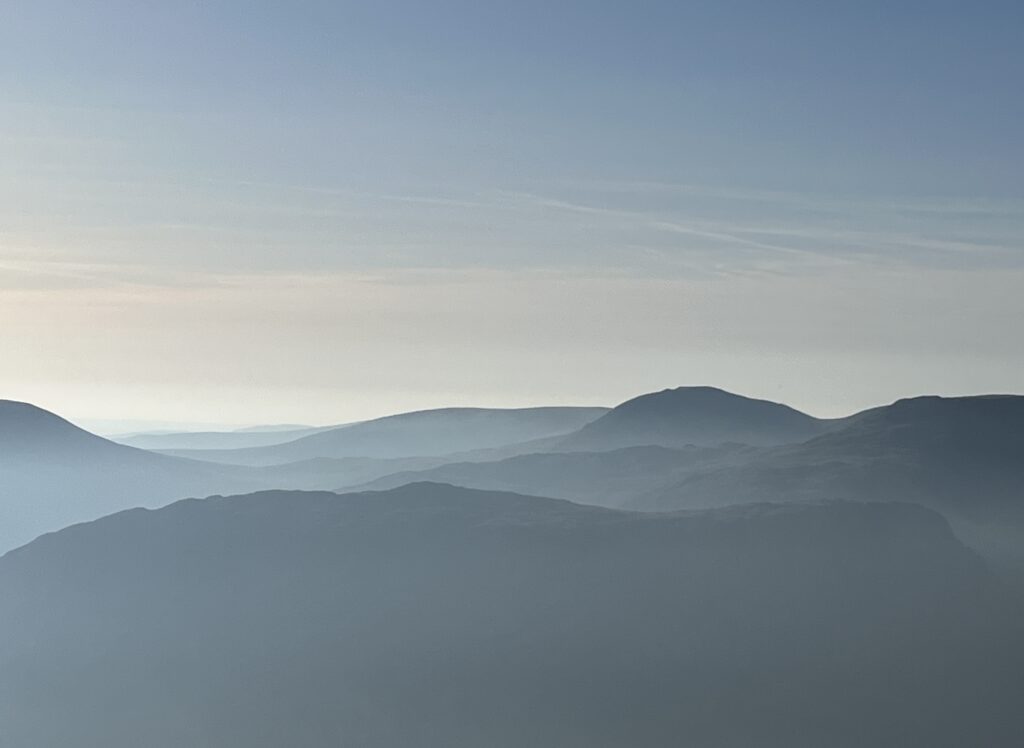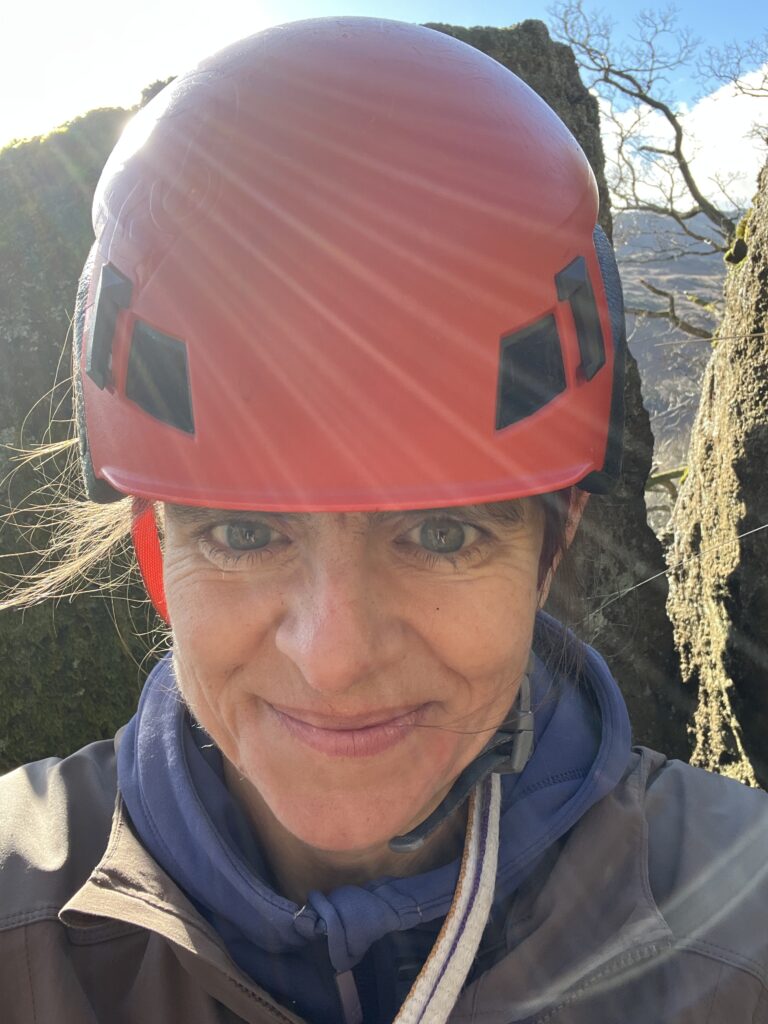
It’s that time of year when thoughts turn to setting new goals – perhaps you are looking forward to the sun returning so you can head outside and put your winter training into practice?
I have never been good at setting goals. Fear of failure, maybe fear of not being perfect, it often feels like the goals we are supposed to write down are a little too concrete.
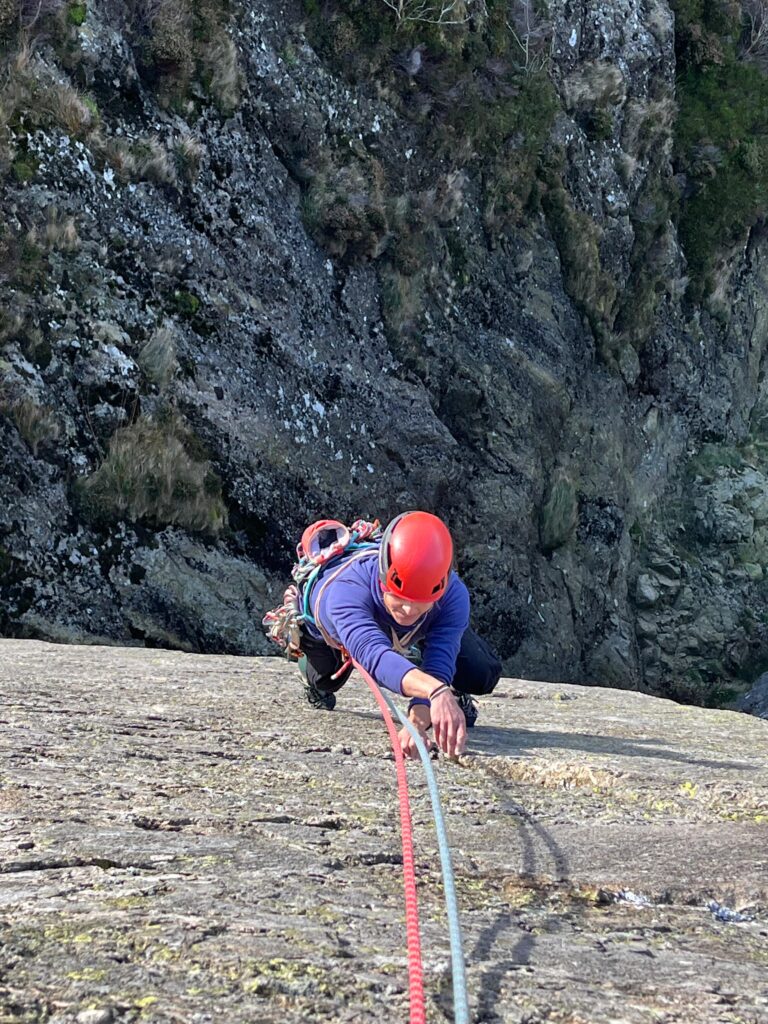
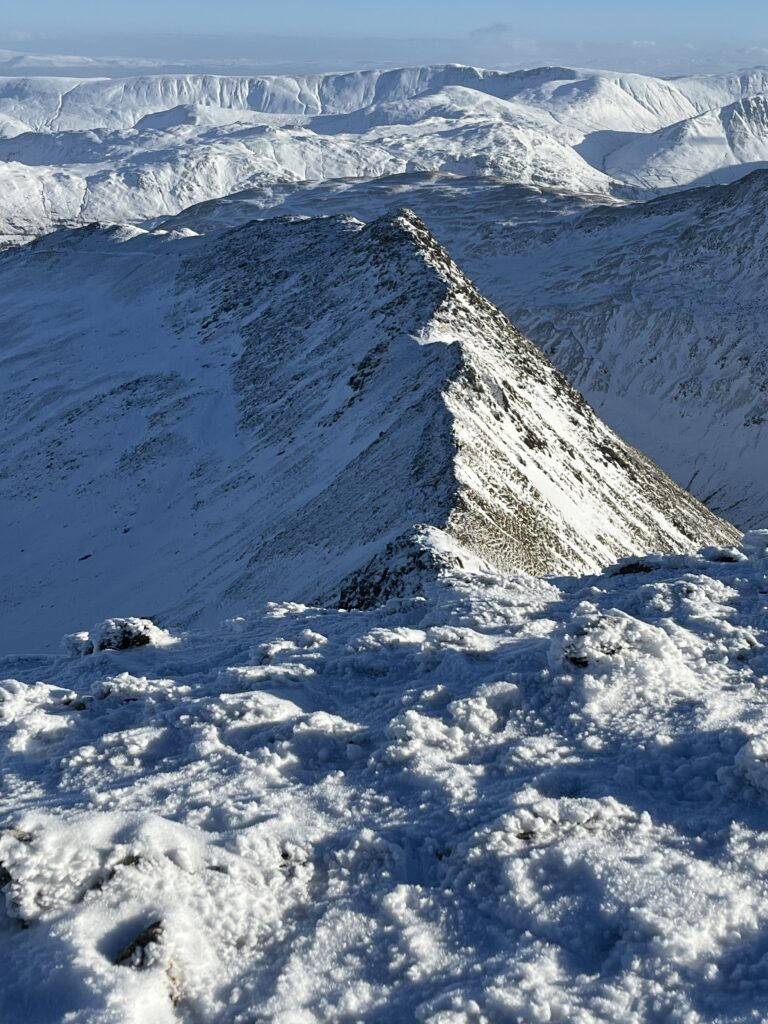
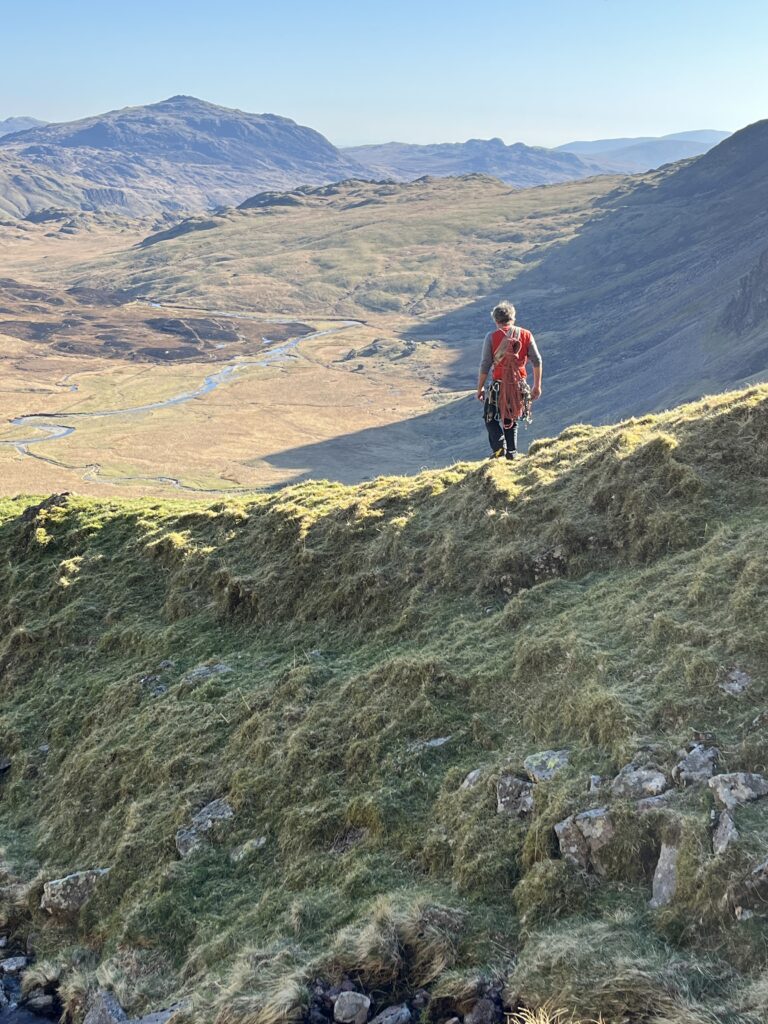
Climb a certain grade?
Run a certain time?
Don’t get me wrong, I like a challenge, and there are still many things I’d like to achieve, but over time I have got a little wiser about defining what success looks like. Here are four things that I keep in mind, which help me put things in perspective:

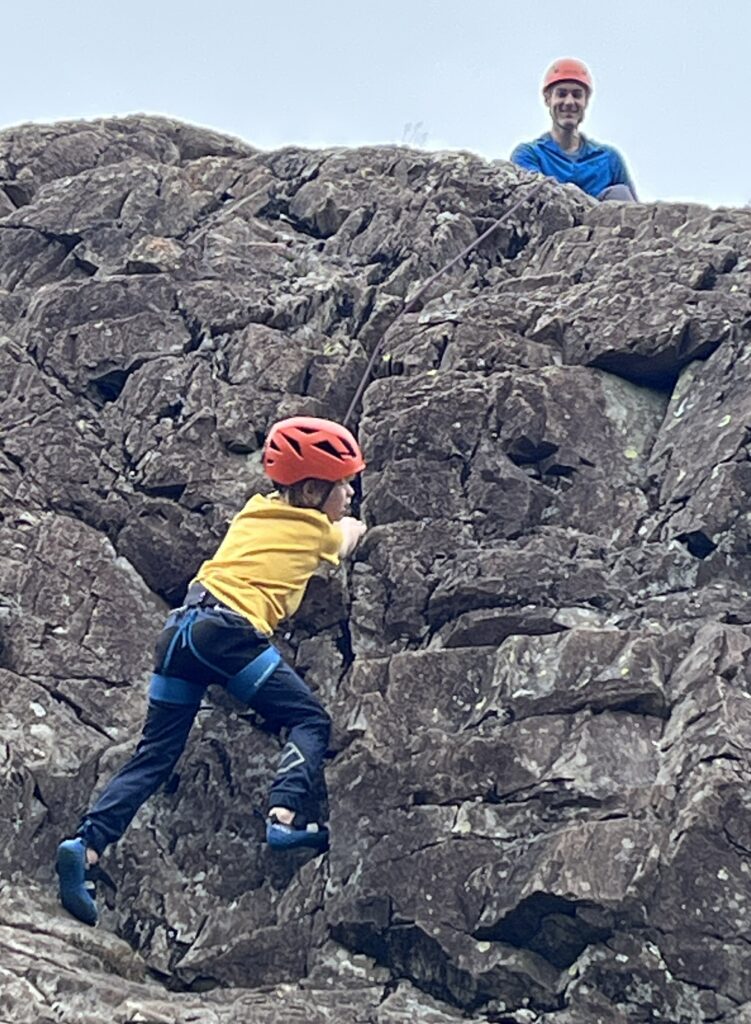
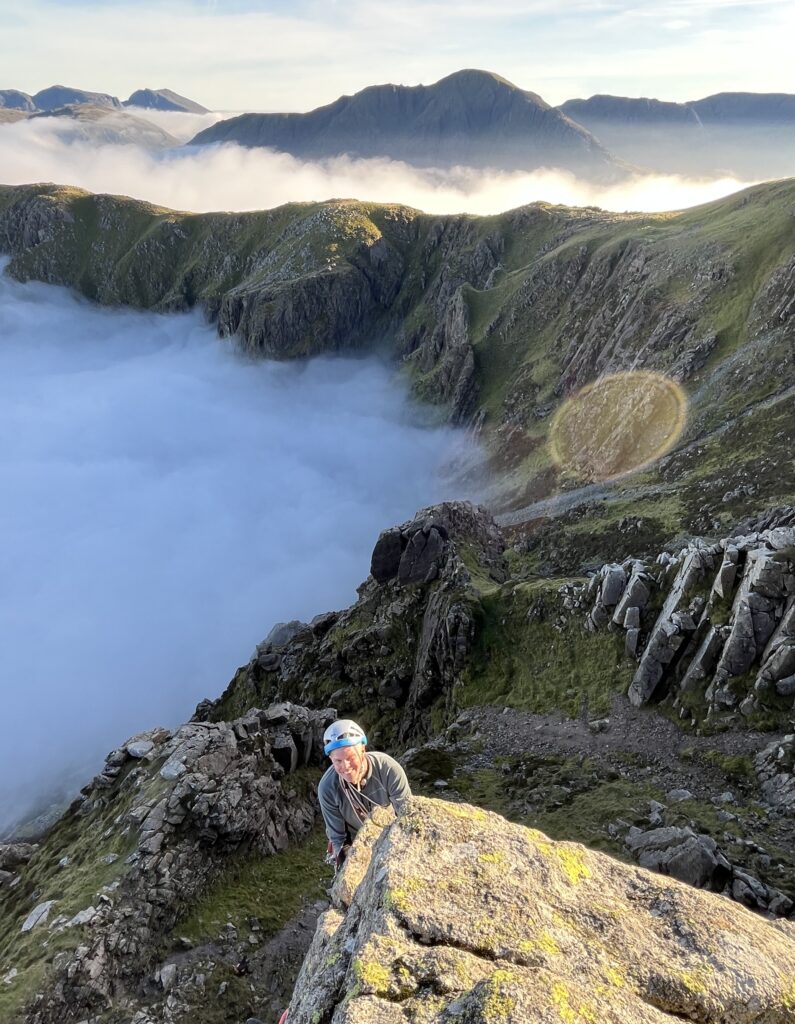
Climbing ‘well’
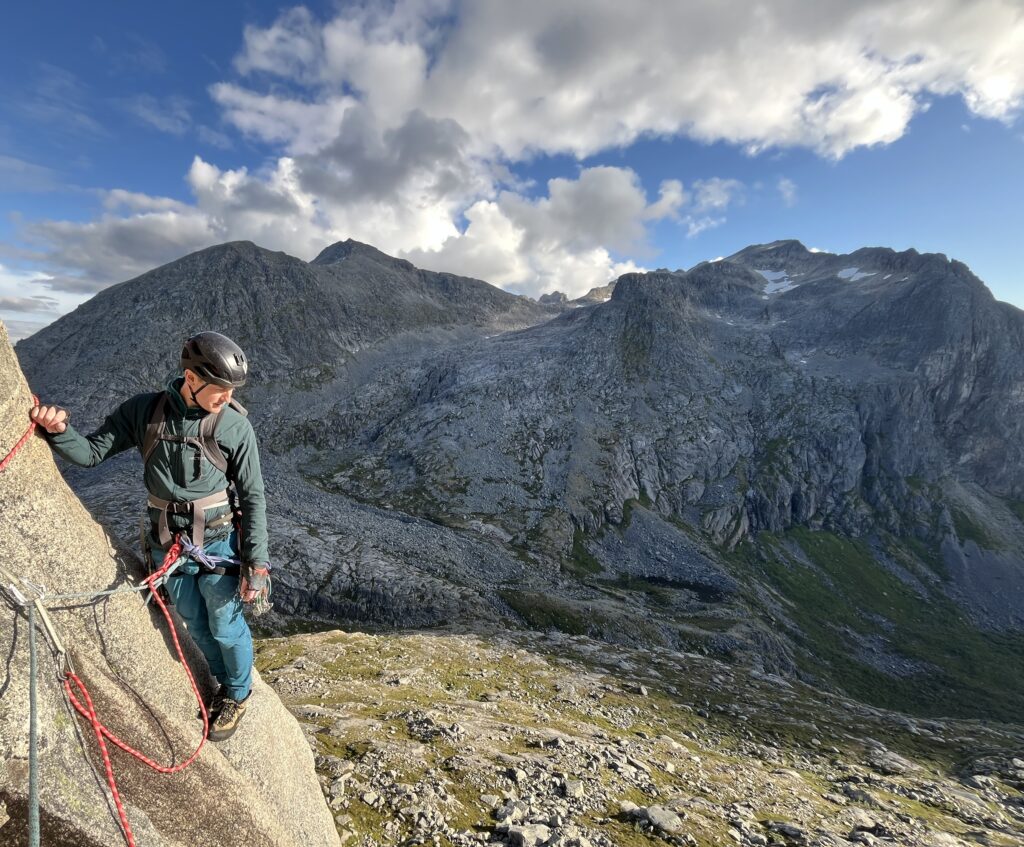
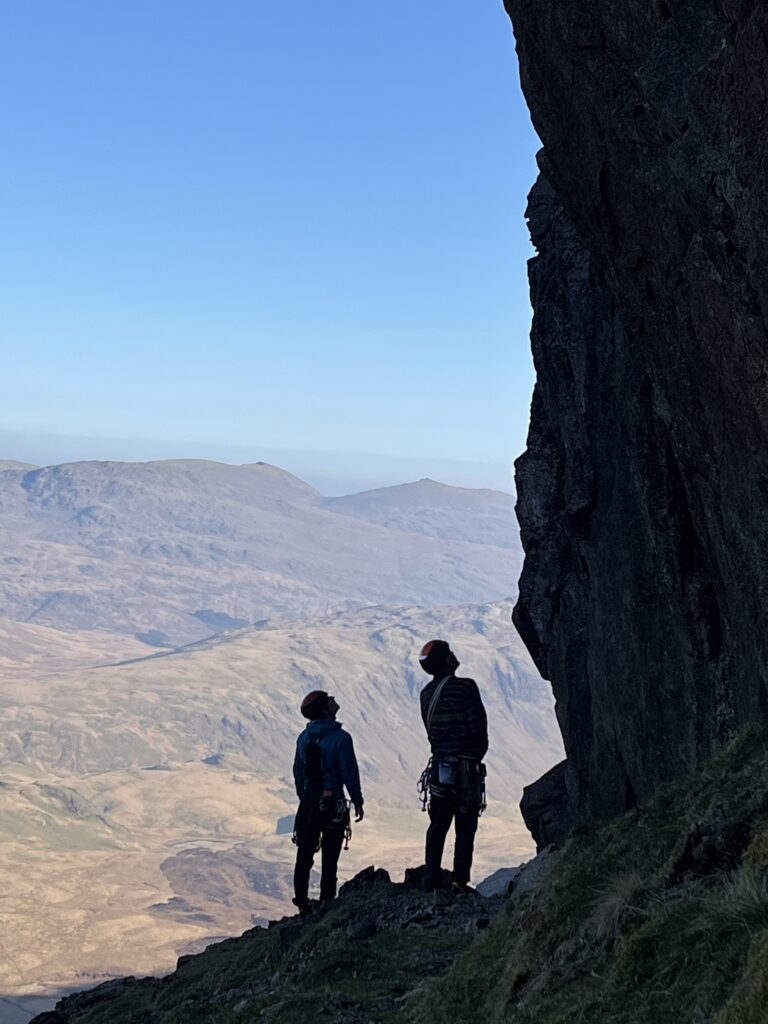
You know that climbing grades are just made up, right? Yes, I like to climb a certain grade each year, but if I don’t, it doesn’t matter. So long as I have got on some routes that challenged me, and I have done well in the face of that challenge, then I am happy.
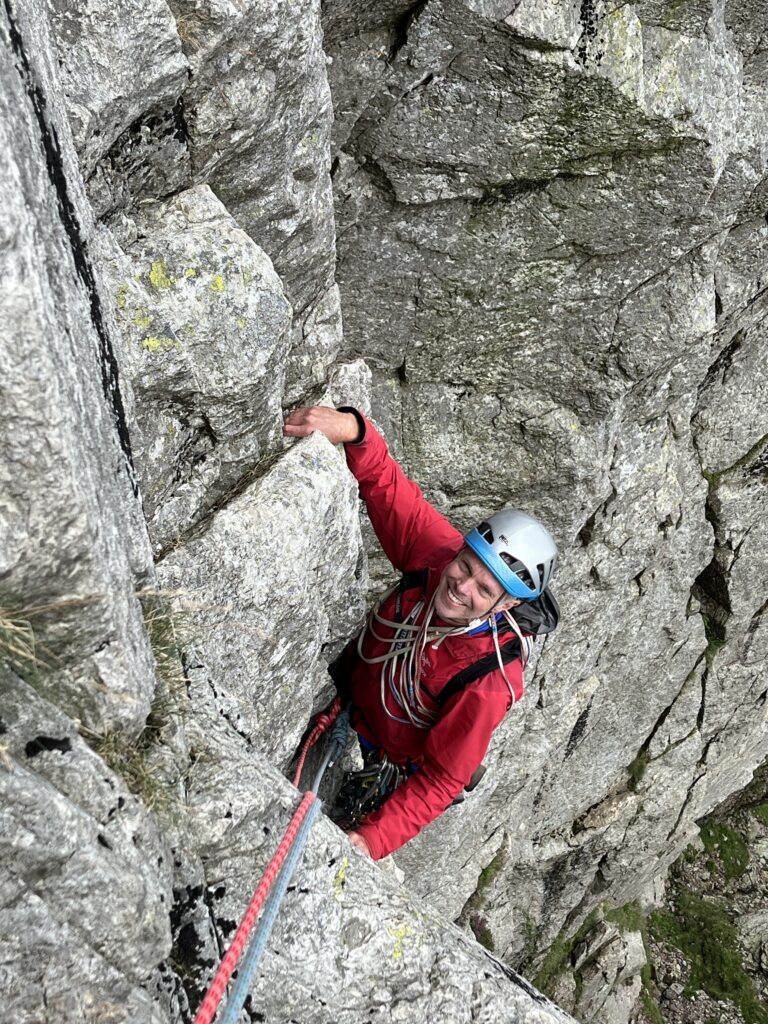
‘Doing well’ doesn’t necessarily mean climbing hard. It might mean finding a foothold that makes a move easier for me, or a client. It might mean making a good decision to retreat – either downwards, or into a different route – or it might mean holding on / holding it together and getting up something that I didn’t expect to. My grin will always be bigger if I emerge a little grubby, or scuffed – the sign of an honest fight!
Failing
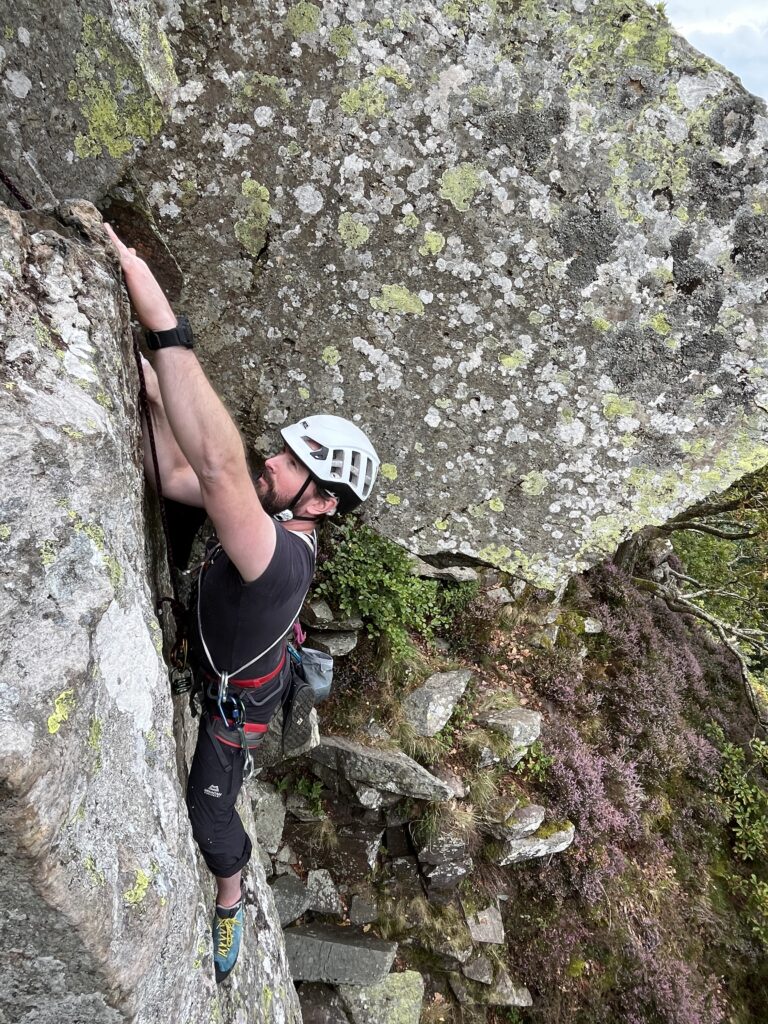
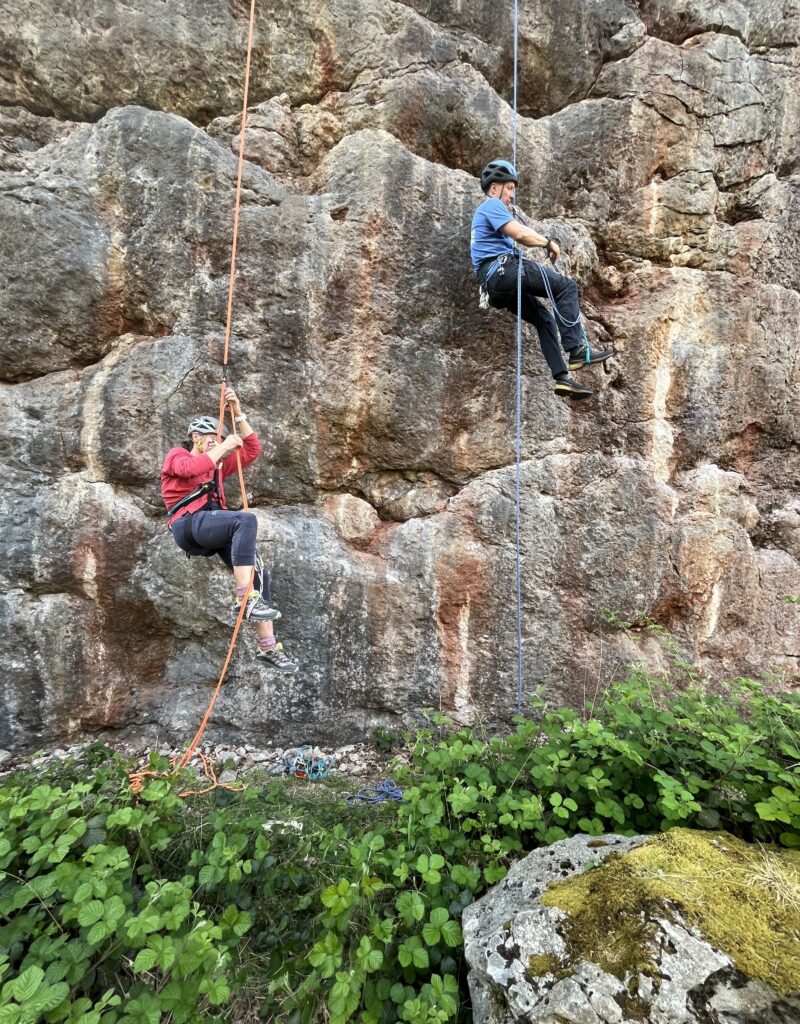
I definitely want to fail on a few routes each year*. This usually means falling off, ideally into space. Falling is not for everyone, and it’s not something that I would ever push people to practice, but I am definitely more chilled on rock if I’ve done a bit of failing / falling recently.
This year I backed off various routes, which I am always very proud of! In one case, the moves were hard to read and I had no idea if there was any more gear above so I beetled sideways and finished up an adjacent line. I was intrigued, so I headed down and top-roped the route, only to discover that there was indeed more hard climbing above and no gear for a long time. Satisfied, I walked away… there will always be more routes, and ideally there should also always be more days to go climbing.
*’failing’ translates really well into navigation and orienteering – simply rebrand ‘getting lost’ as ‘opportunities to practice relocation’…
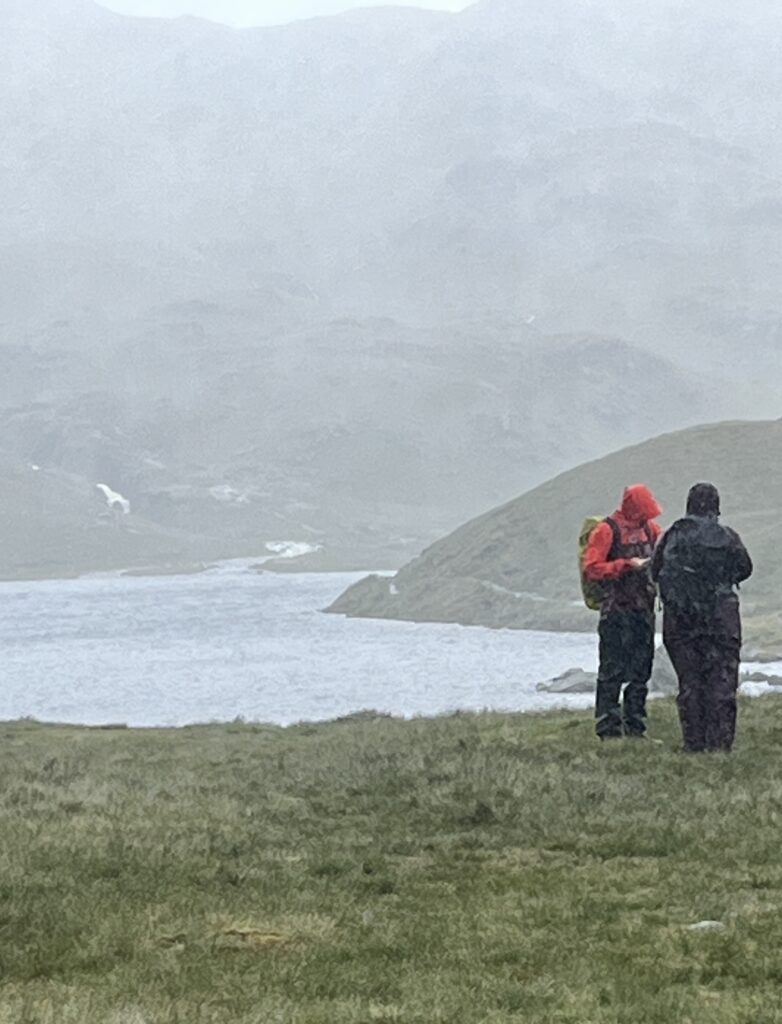
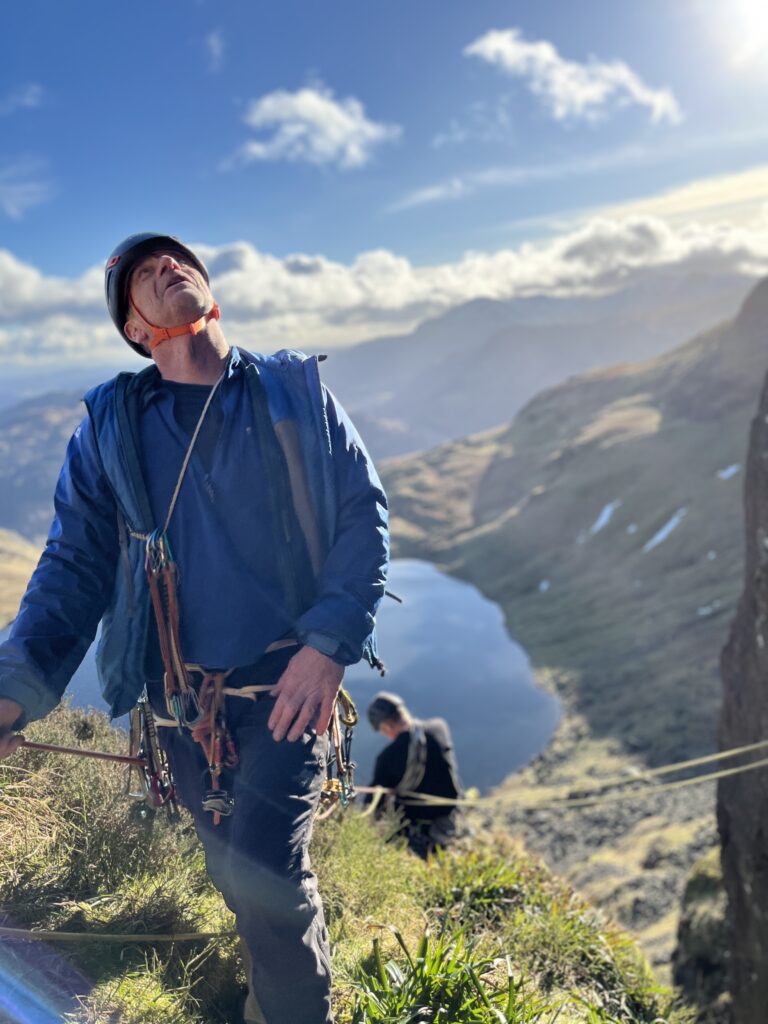
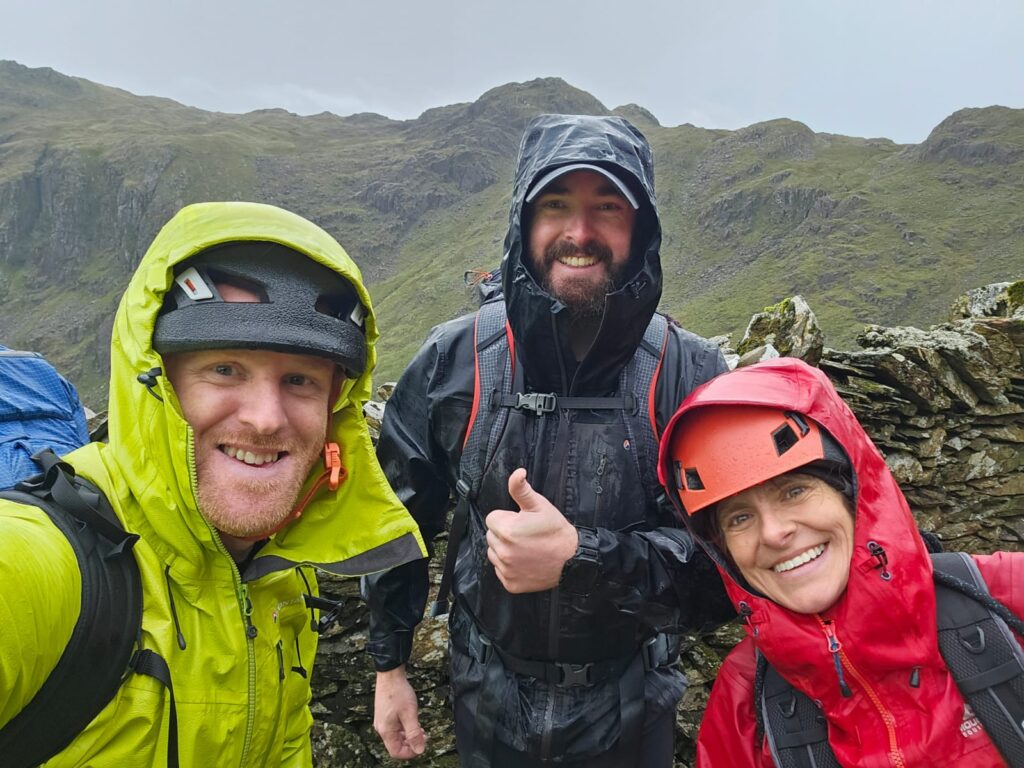
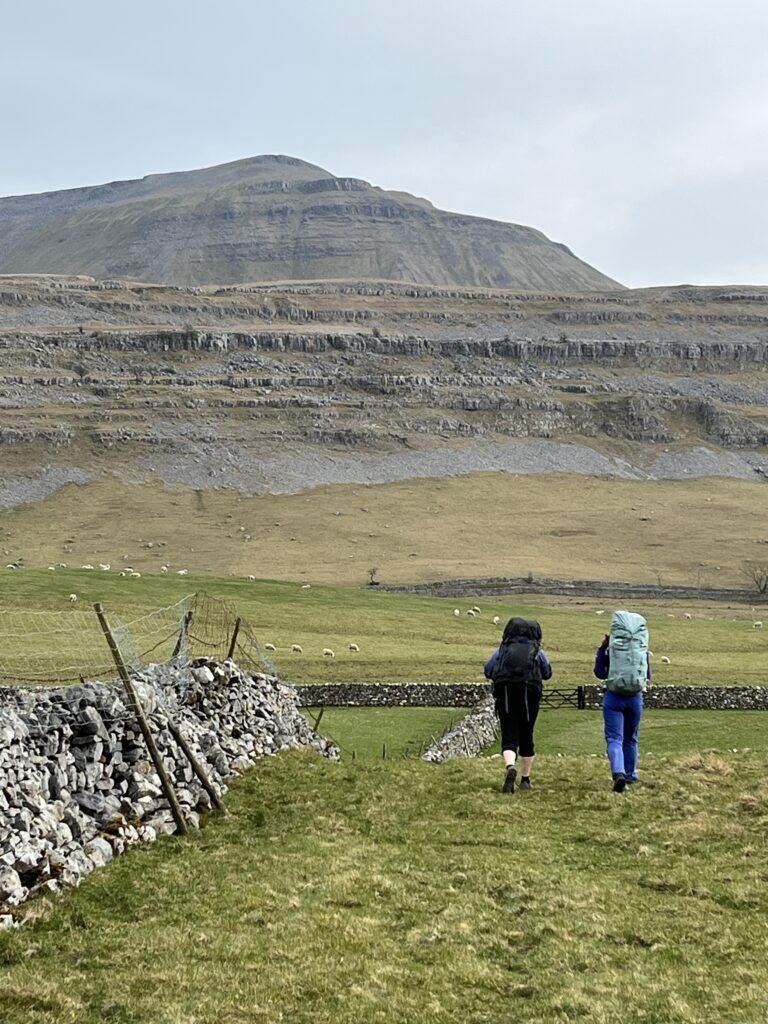
A few good days
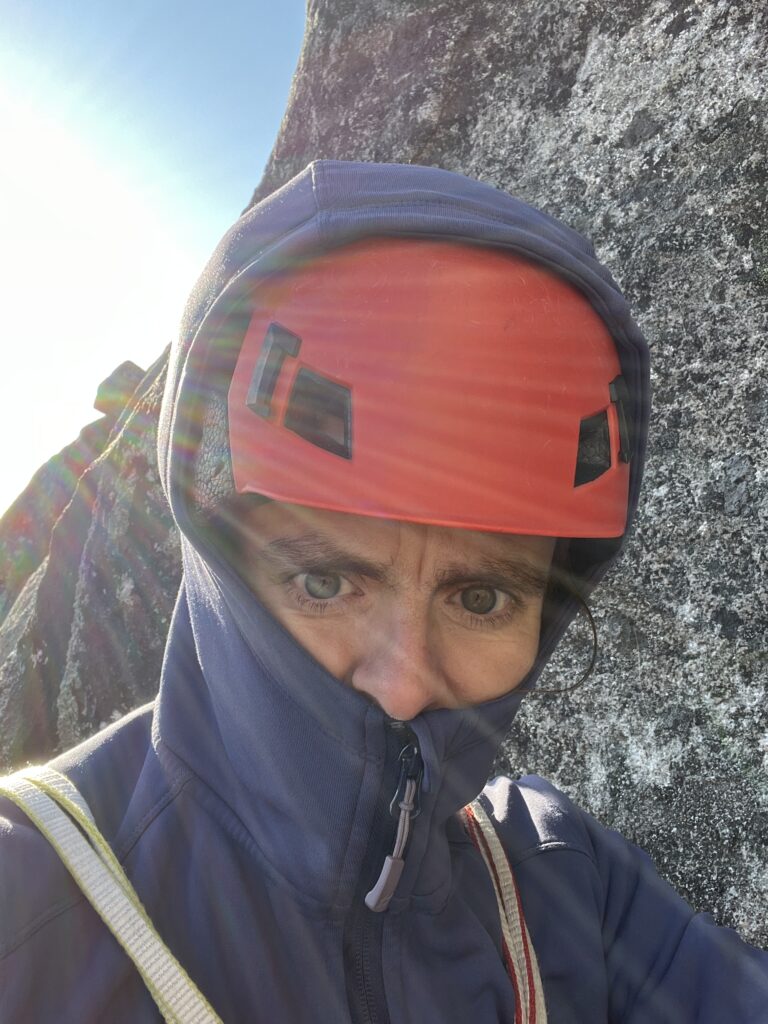
We can’t have a good day every day, but in my book, every day should count. Maybe I learnt something about myself, maybe I helped someone else learn something about themselves. Maybe I was just relieved to make it back to the car!
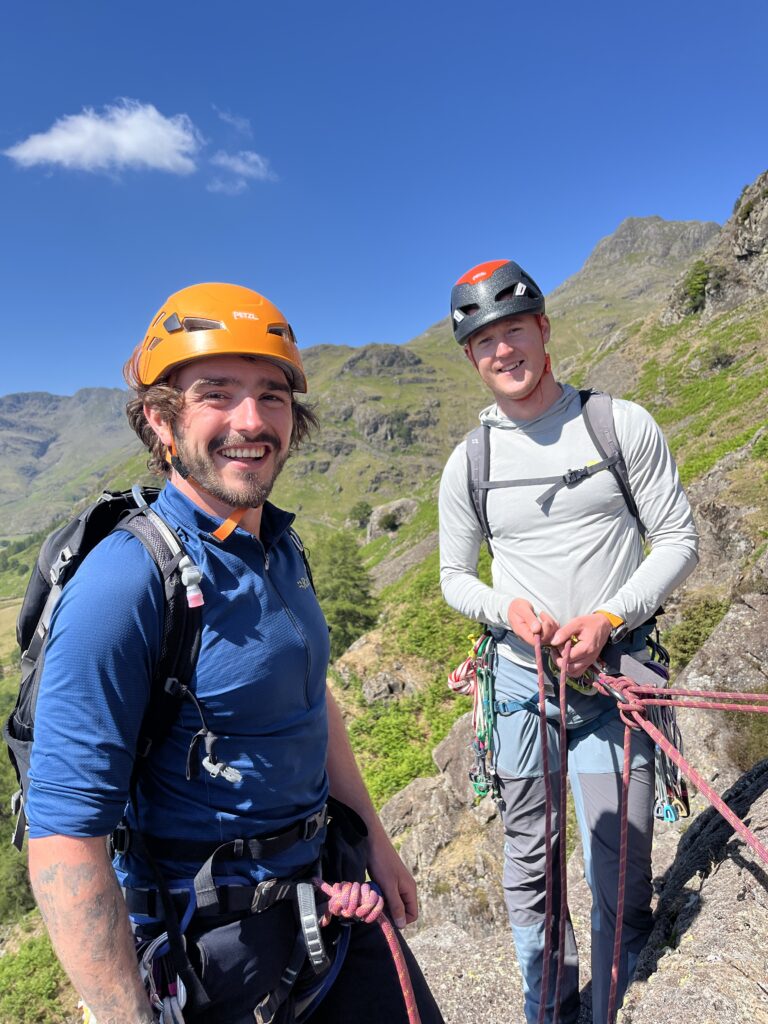
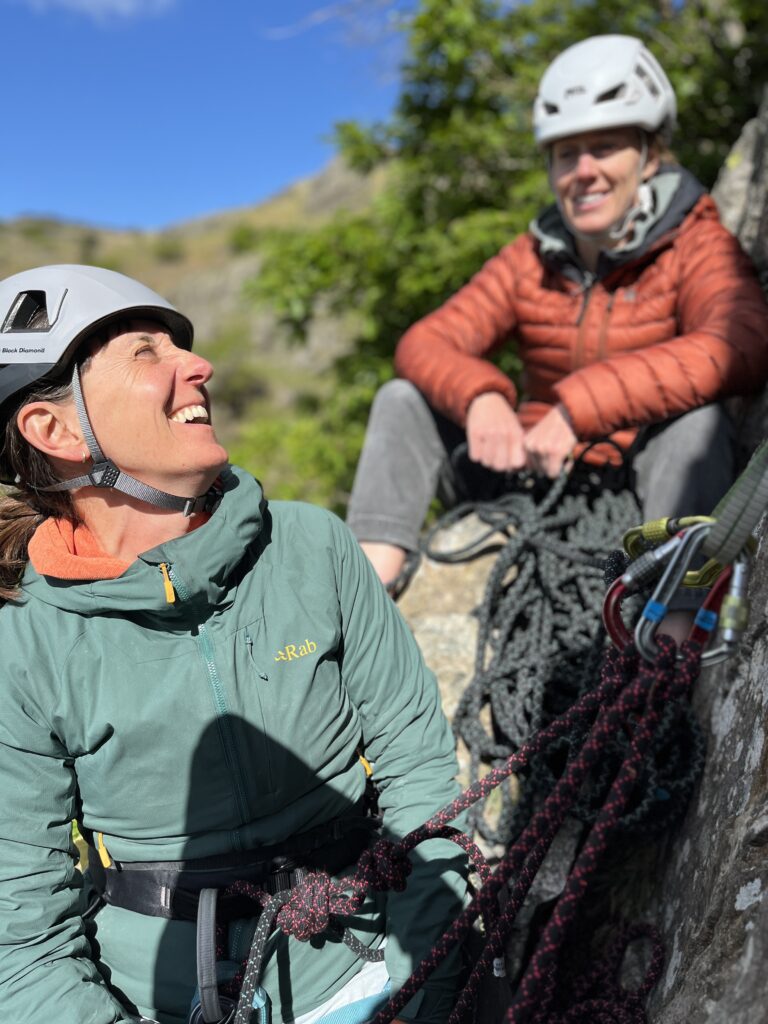
The best days for me are either memorable because of the people I was with, or they are memorable because I was so engrossed in the climbing that I forgot anyone else existed. Have you had the experience of being so focused on the rock that you picture yourself back on the route every time you close your eyes for the next week? Those days don’t come round very often, but they don’t have to.
Just doing stuff (for fun)
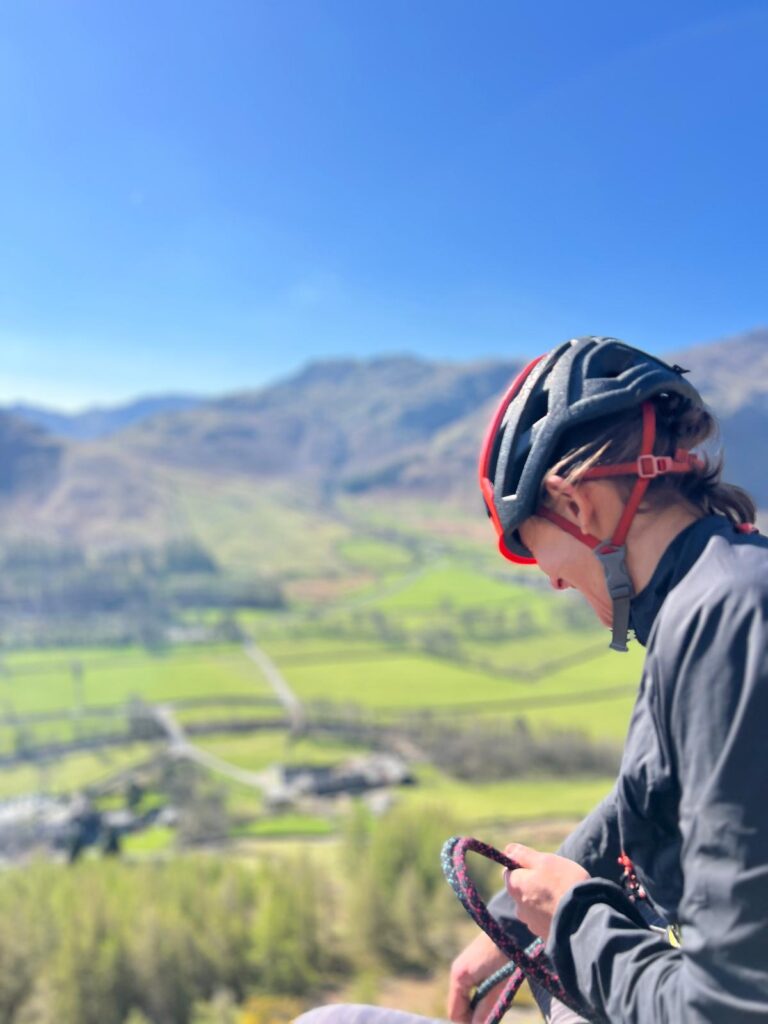
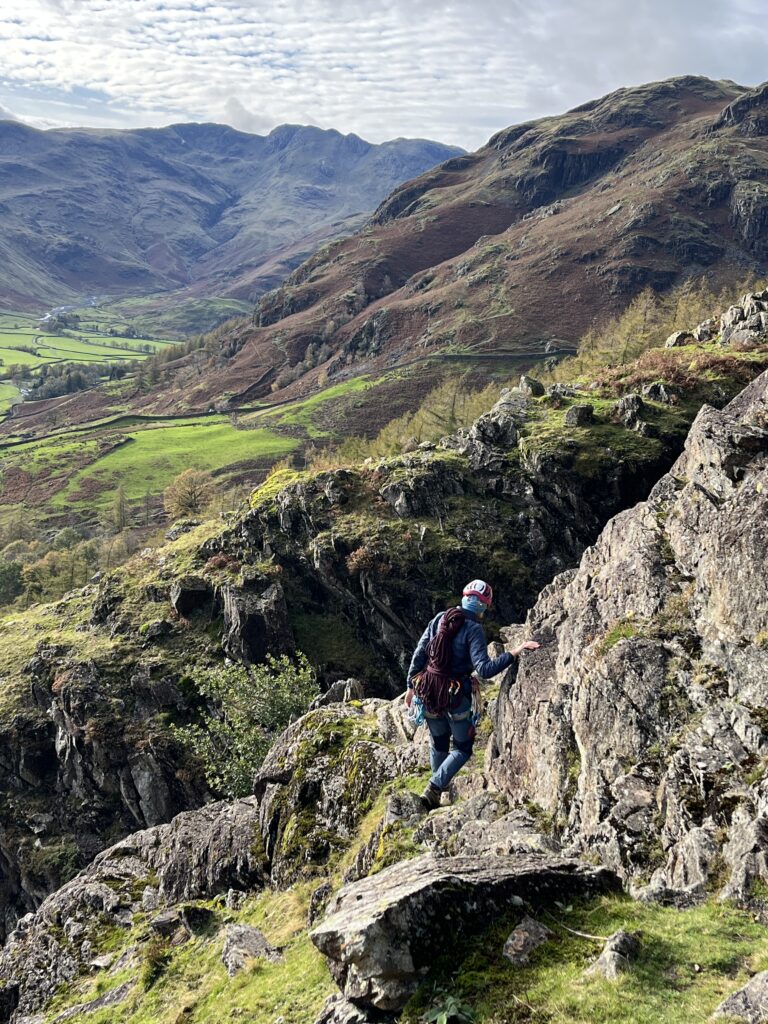
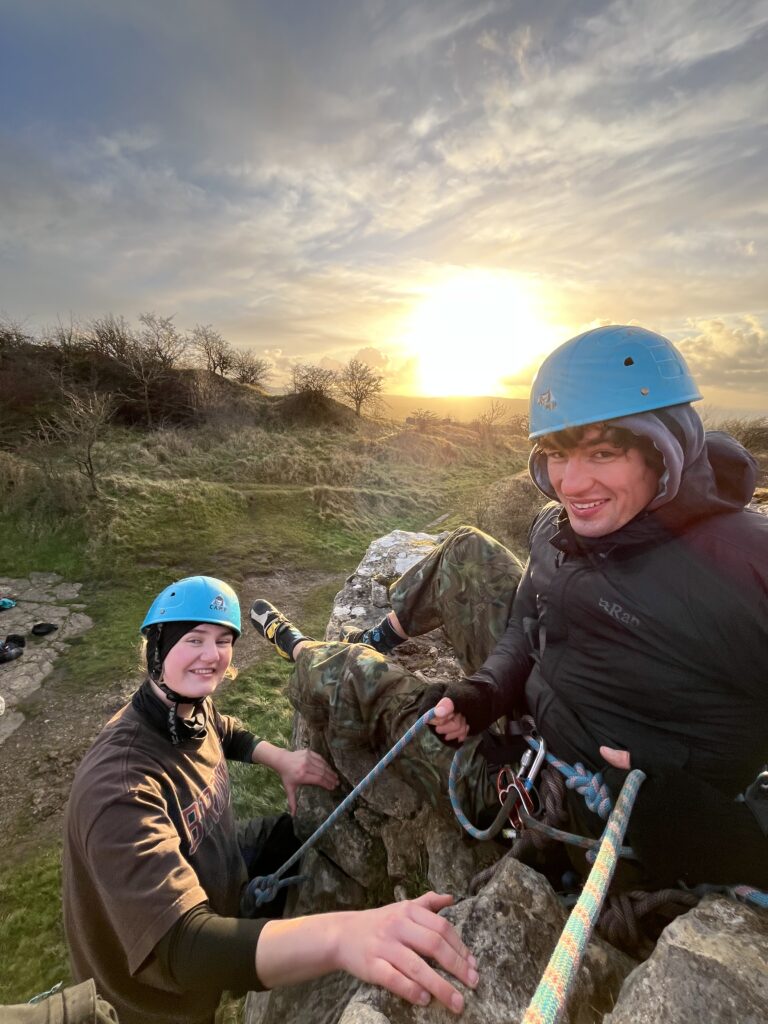
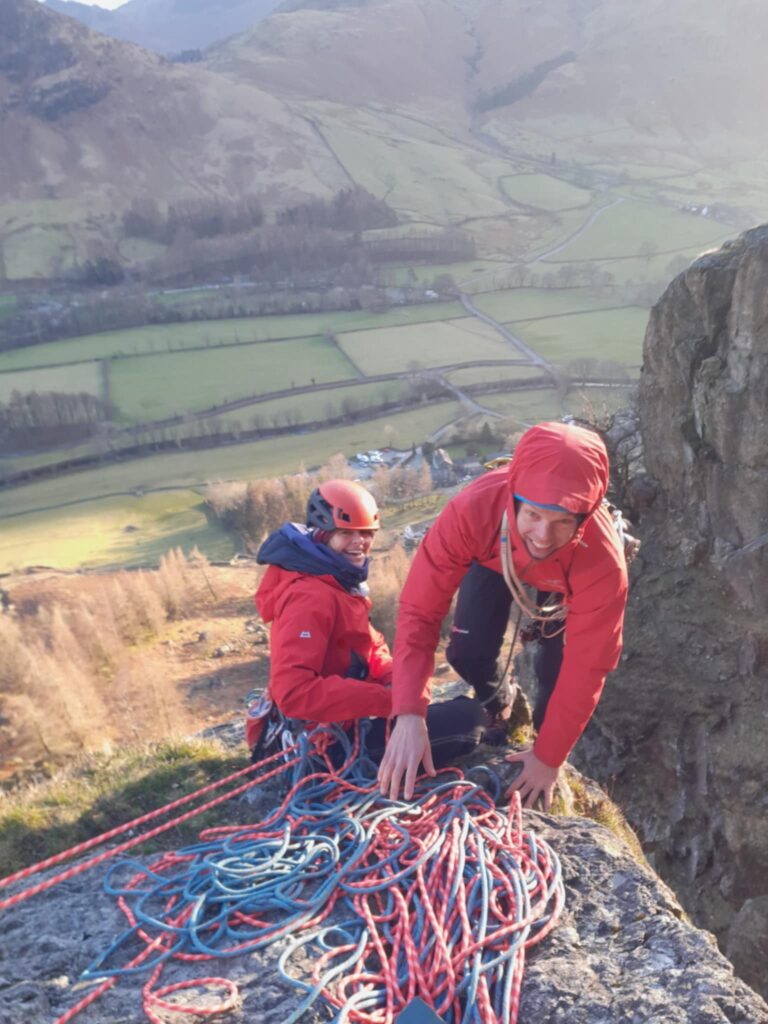
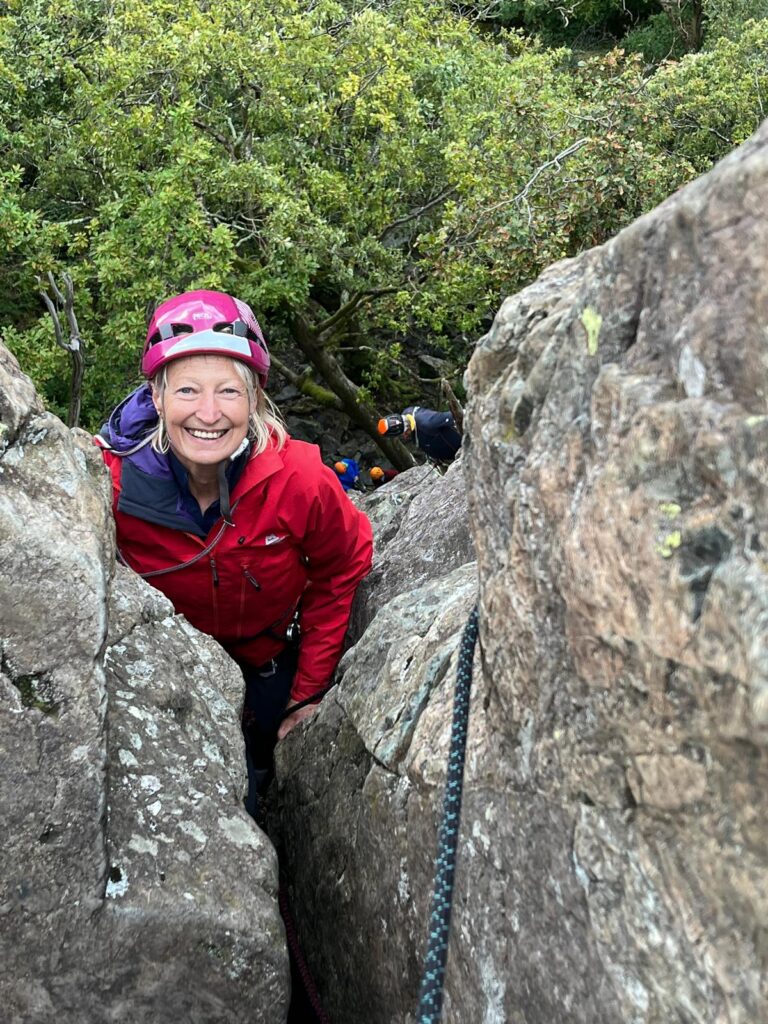
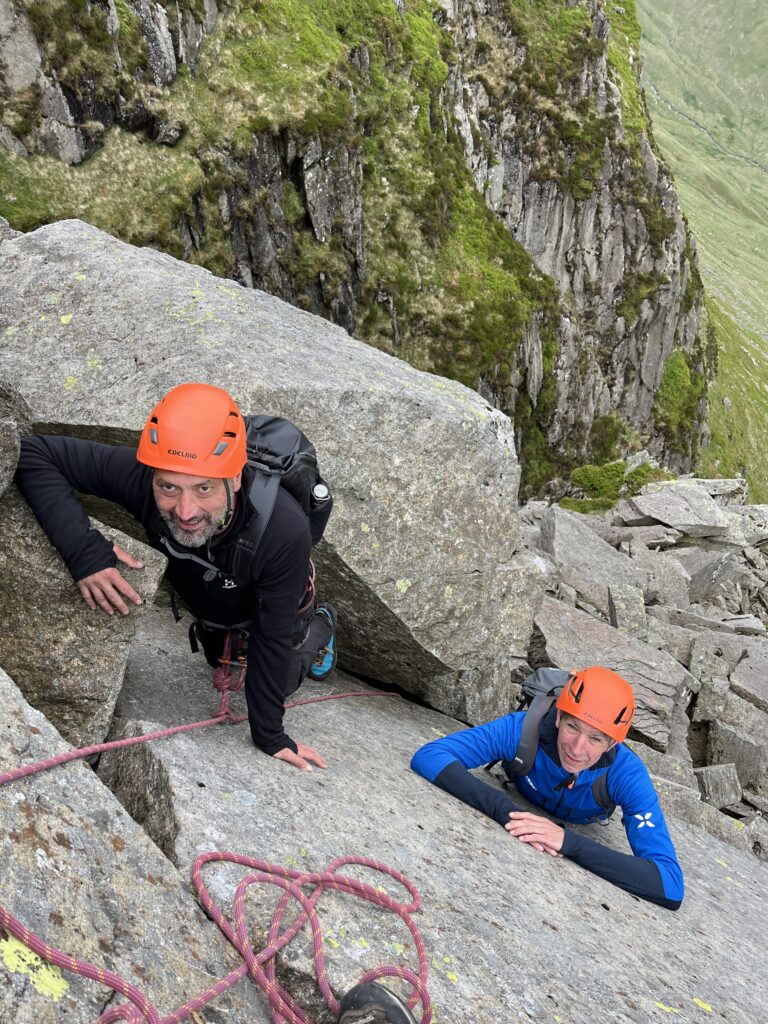
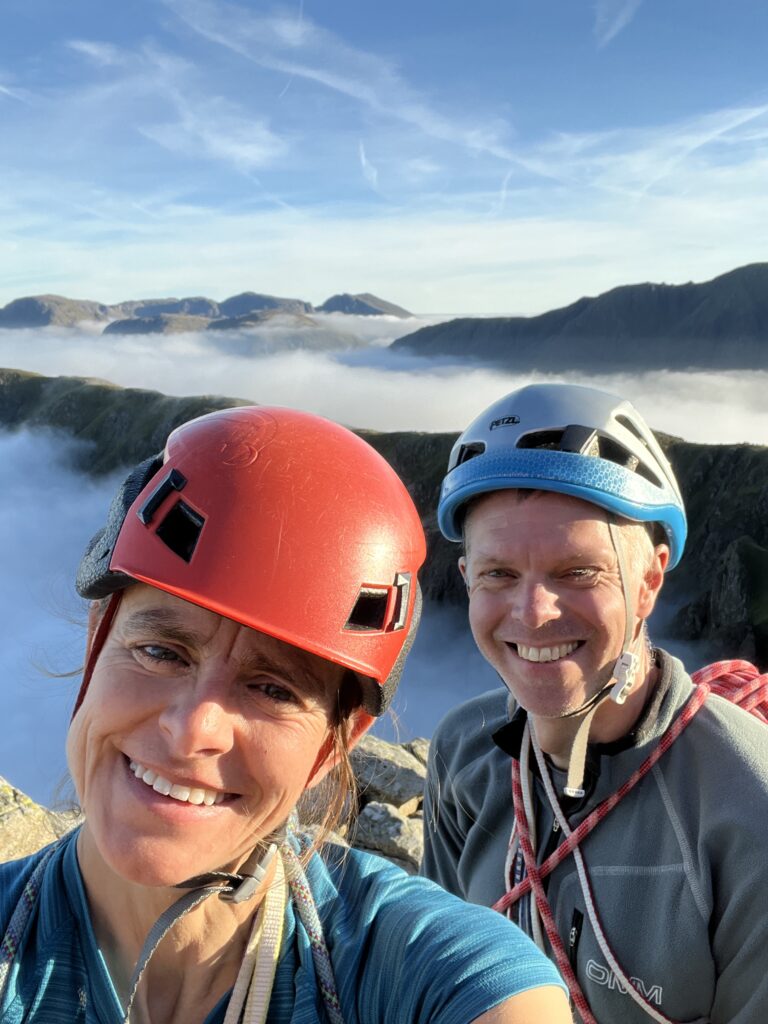
The main goal is to leave the house! I have never trained for climbing and my body no longer lets me do anything that looks like structured running training: I go climbing, I go walking, I go orienteering. I do these things because I enjoy them.
Don’t get me wrong, I want to do them well, and have vague personal goals, but they can often be achieved through stubbornness and an ability to try hard, rather than dedication to a training plan. Best of all, if I don’t achieve them, I have still ticked the overall goal of simply getting out and doing something!
In summary…
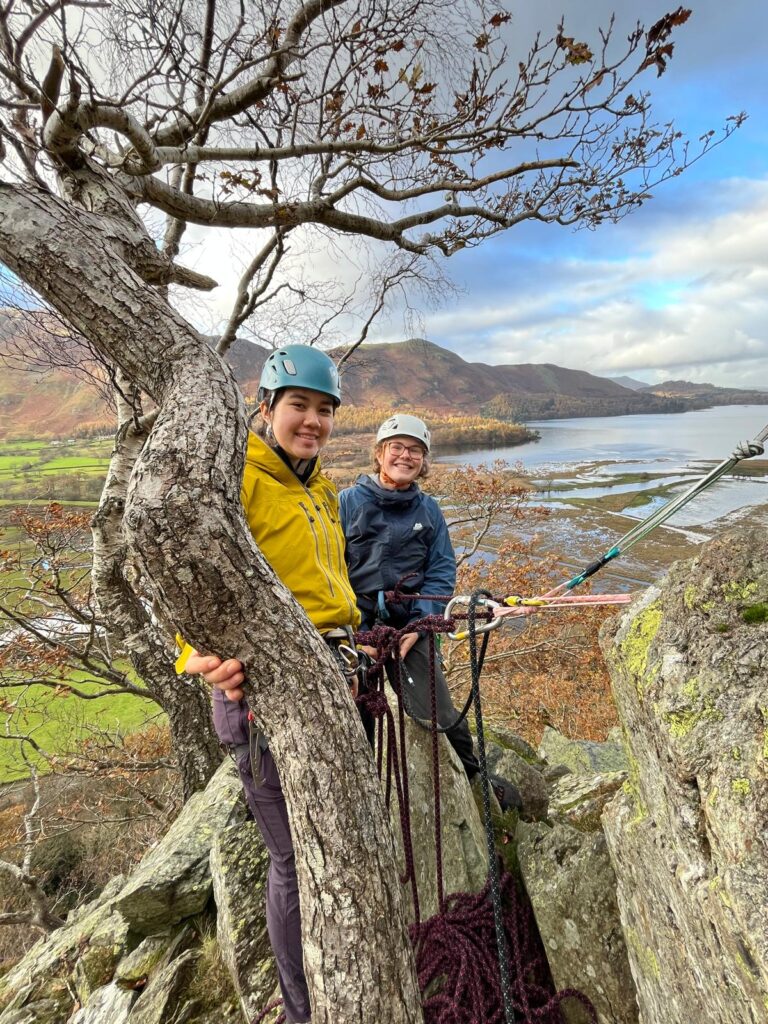
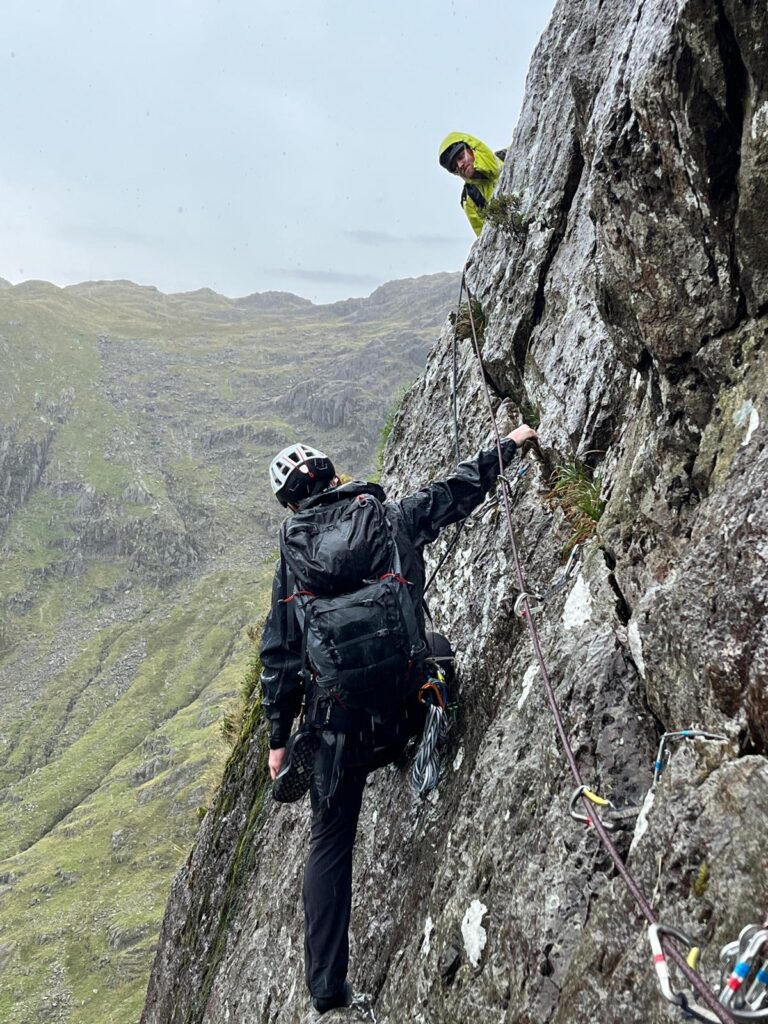
As you can probably tell, my main goal is to keep doing stuff, and to keep enjoying it! This probably breaks all the rules for smart goal setting, but sometimes we need something with, shall we say, flexible boundaries. Here’s to getting outdoors and deciding for ourselves what success looks like!